The Romans called it Mare Nostrum, Our Sea, and they meant it as a boast — the Mediterranean as an interior lake of empire, every shore an imperial possession. Strip the ownership out of the phrase and something more useful survives. For most of recorded history that sea was not an edge but a road: the fastest route between Alexandria and Marseille, between Tunis and Naples, carrying grain, plague, argument and scripture in both directions. Europe, North Africa and the Levant did not develop alongside one another. They developed through one another, and the water was the medium.
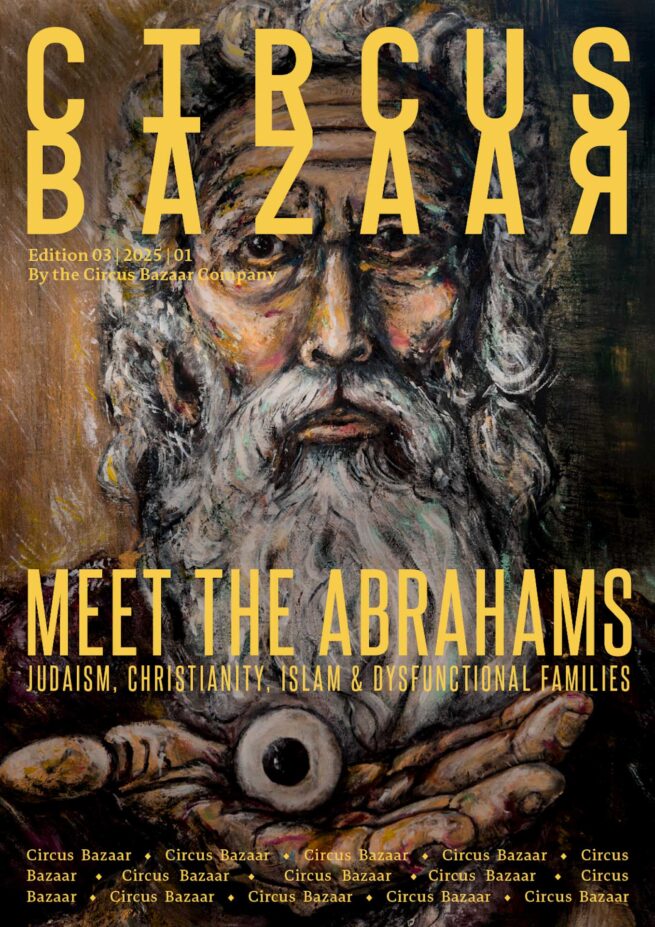
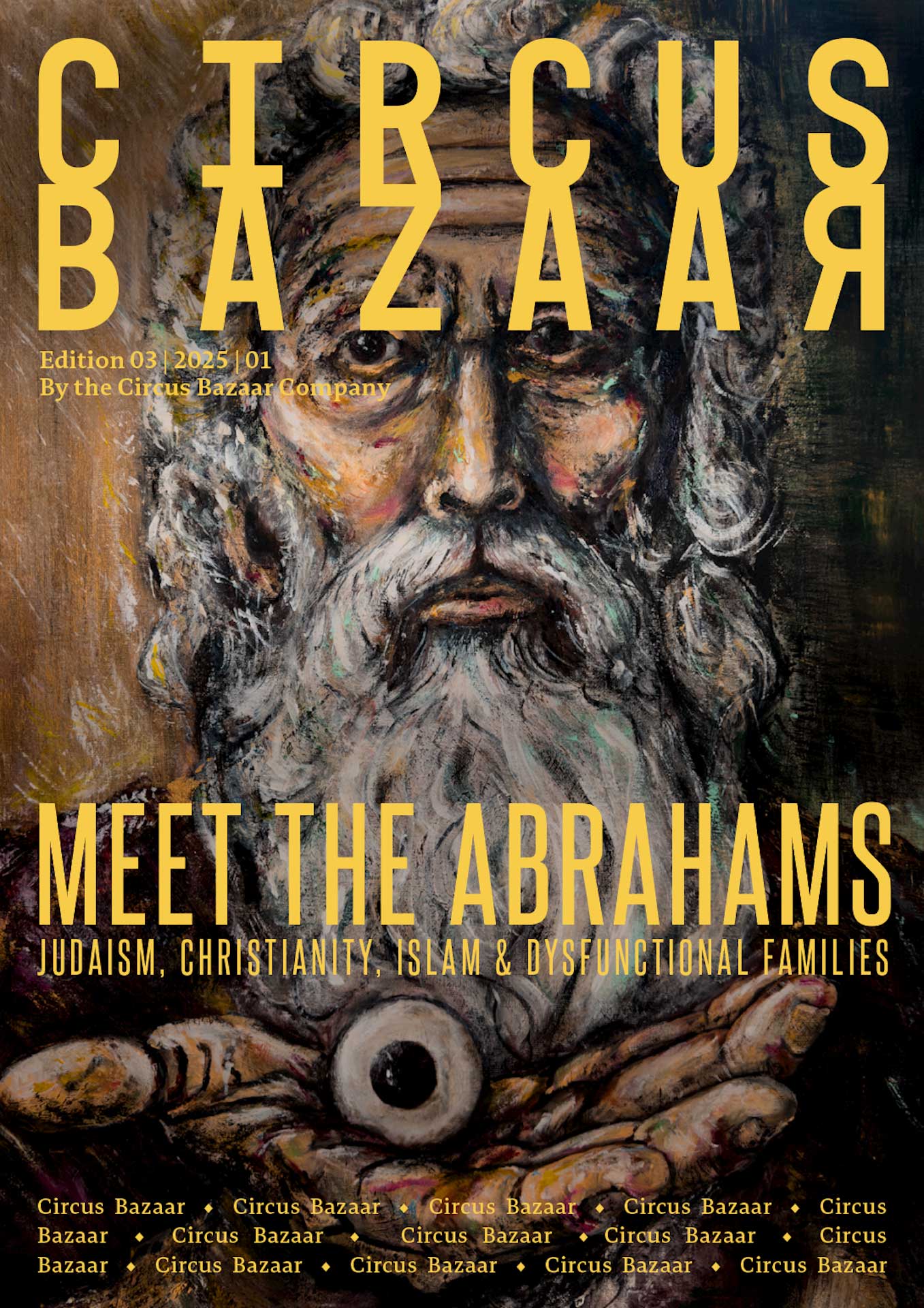
Three faiths came out of that traffic, and all three claim the same father. Judaism, Christianity and Islam trace their descent to Abraham and have spent the subsequent millennia disputing the inheritance — sometimes in scholarship, sometimes in law, frequently in arms. This edition treats them as what they are: not three separate civilisations that happened to collide, but one extended family, closely related, deeply entangled, and periodically dysfunctional in the specific way that only relatives manage.
The edition takes the family seriously without treating it solemnly. What the three traditions actually share and where the shared ground is thinner than either claims. The Mediterranean as a transmission belt for texts, scholarship and heresy. What Europe borrowed and declined to acknowledge. And the contemporary question underneath all of it — whether the nations of that sea have enough common inheritance to act in concert, or whether the family resemblance stops at the shoreline.
Circus Bazaar takes no side in the theology. It is interested in the argument, its history, and what it has cost.
Featuring [contributors]