Introduction
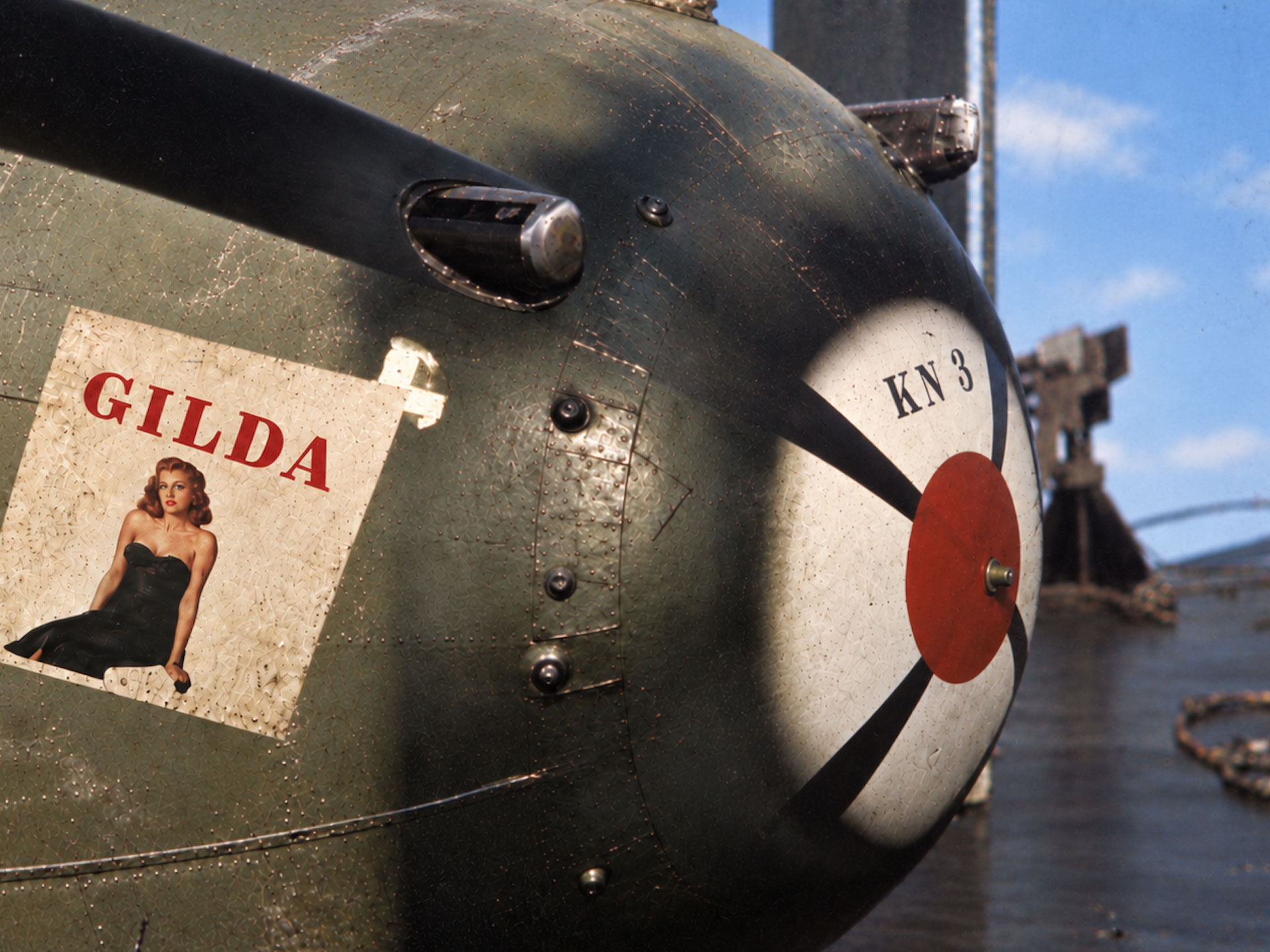
On July 1, 1946, less than a year after the atomic bombings of Hiroshima and Nagasaki, a B-29 bomber named Dave’s Dream approached Bikini Atoll carrying a plutonium implosion bomb nearly identical to the weapon that had destroyed Nagasaki. Unlike its wartime predecessor, however, this bomb carried a different identity. Painted on its casing was the name Gilda, accompanied by the image of Hollywood actress Rita Hayworth, whose portrayal of the seductive title character in Columbia Pictures’ 1946 film had captivated American audiences.
The bomb was intended to evaluate the vulnerability of naval fleets during Operation Crossroads, the first peacetime series of atomic weapons tests. To many of the military personnel involved, naming the bomb after a popular actress was little more than an extension of the aircraft nose art tradition that had flourished during World War II. Yet, viewed nearly eight decades later, Gilda reveals something more profound. It marked one of the earliest examples of the extraordinary effort to make nuclear weapons psychologically familiar through language, imagery, and popular culture.
Gilda was not an isolated curiosity. During the following decades, nuclear weapons and delivery systems acquired names that ranged from the whimsical to the patriotic and from the glamorous to the reassuring. The United States deployed nuclear systems called Davy Crockett, Polaris, Minuteman, and Peacekeeper, while NATO assigned memorable reporting names such as Satan to Soviet missiles. Earlier bombs bore names such as Little Boy, Fat Man, Helen of Bikini, and Grable, each reflecting the cultural assumptions and political priorities of its era. These names did far more than identify weapons. They shaped public perception, softened the language surrounding unprecedented destructive power, and helped normalize nuclear weapons within everyday political discourse.
Military organizations have always named weapons, ships, aircraft, and operations. What makes nuclear weapons different is that they challenge ordinary language itself. Devices capable of destroying entire cities resist simple description, and societies have repeatedly turned to metaphor, humor, patriotism, mythology, and celebrity to bridge that psychological gap. The names chosen for nuclear weapons therefore offer an unusual window into how governments, military institutions, and the public have struggled to comprehend the Atomic Age.
This article argues that the history of nuclear weapon naming is more than an exercise in military trivia. It reflects changing relationships between technology, politics, and culture. From the engineering humor of the Manhattan Project to the strategic messaging of the Cold War and the contemporary language surrounding nuclear modernization, the names assigned to these weapons have shaped how generations have understood both the promise and peril of the nuclear age.
The Manhattan Project: Engineering Nicknames Become History
The first nuclear weapons were not originally intended to become historical symbols. During the Manhattan Project, scientists and engineers adopted informal nicknames as practical shorthand for two radically different bomb designs under development at Los Alamos.
The uranium gun-type weapon became known as Little Boy, while the larger plutonium implosion design acquired the name Fat Man. The names described physical appearance rather than military function. Little Boy was comparatively long and slender, whereas Fat Man possessed a rounded, bulbous shape dictated by the complex implosion system surrounding its plutonium core.
The informality of these names reflected the engineering culture of the Manhattan Project. Scientists routinely assigned colorful nicknames to experiments, instruments, and theoretical concepts. Within the secrecy of wartime research, Little Boy and Fat Man served as convenient identifiers rather than carefully crafted public messages. History transformed them into something far more significant.
On August 6 and August 9, 1945, the names became inseparable from the destruction of Hiroshima and Nagasaki. Yet neither conveyed the human consequences of their use. Little Boy killed an estimated 70,000 to 80,000 people immediately, with tens of thousands more dying from injuries and radiation exposure during the following months. Fat Man devastated Nagasaki despite difficult terrain that limited the area of destruction compared with Hiroshima.
The contrast between the simplicity of the names and the enormity of the destruction established a pattern that would continue throughout the nuclear age. Technical designations and informal nicknames often concealed rather than revealed the true scale of the weapons they described. Little Boy sounded almost harmless. Fat Man suggested physical shape rather than mass death. Neither name prepared the public for the unprecedented humanitarian consequences that would become associated with atomic warfare.
Although these names originated within a closed scientific community rather than as public relations tools, they demonstrated the extraordinary capacity of language to influence memory. Today, nearly everyone recognizes Little Boy and Fat Man, while comparatively few recall their official military designations. The nicknames have become part of the historical narrative itself.
From Engineering Humor to Hollywood Glamour
If Little Boy and Fat Man emerged from laboratory culture, Gilda reflected something entirely different: the rapid integration of nuclear weapons into American popular culture.
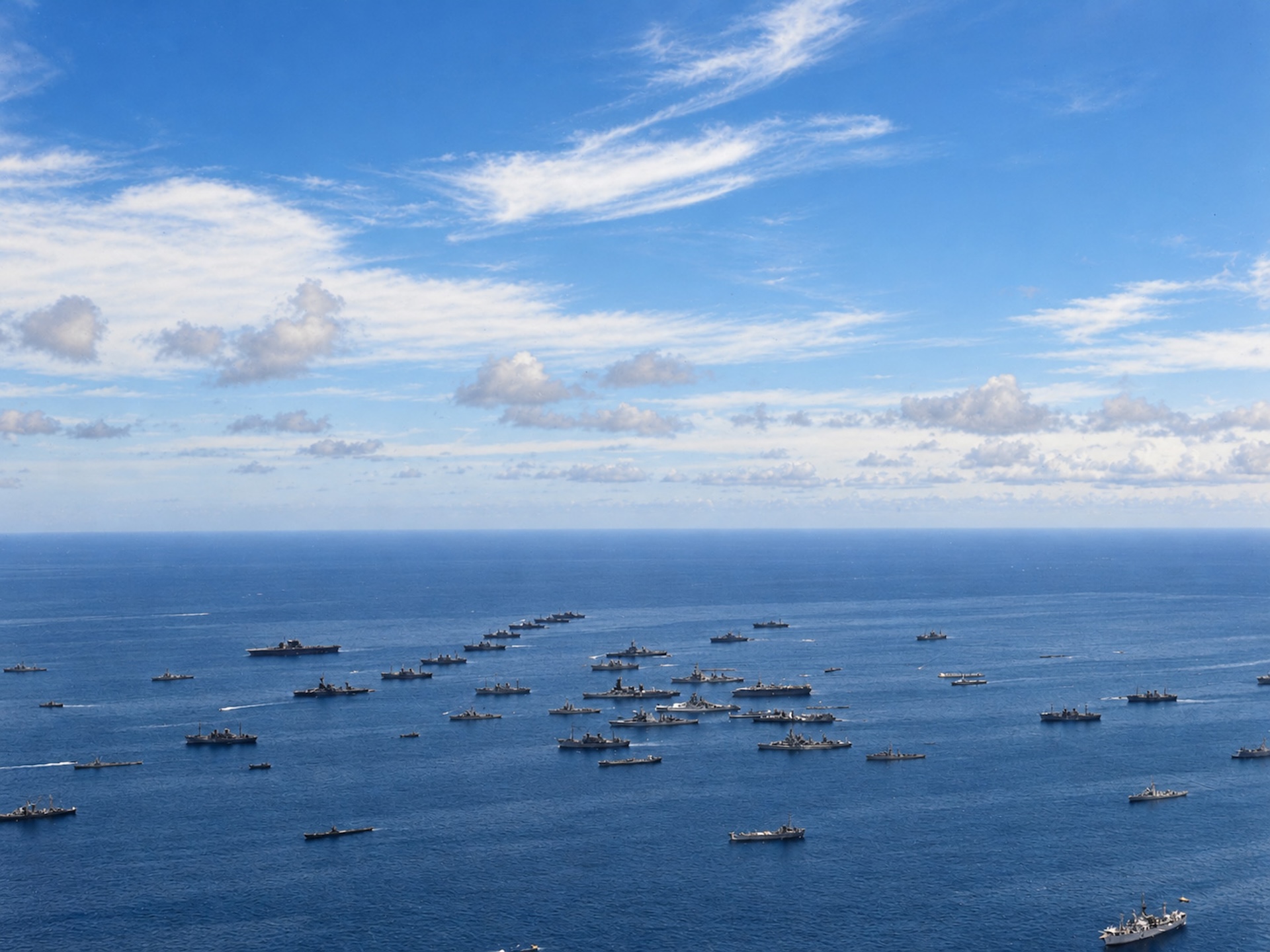
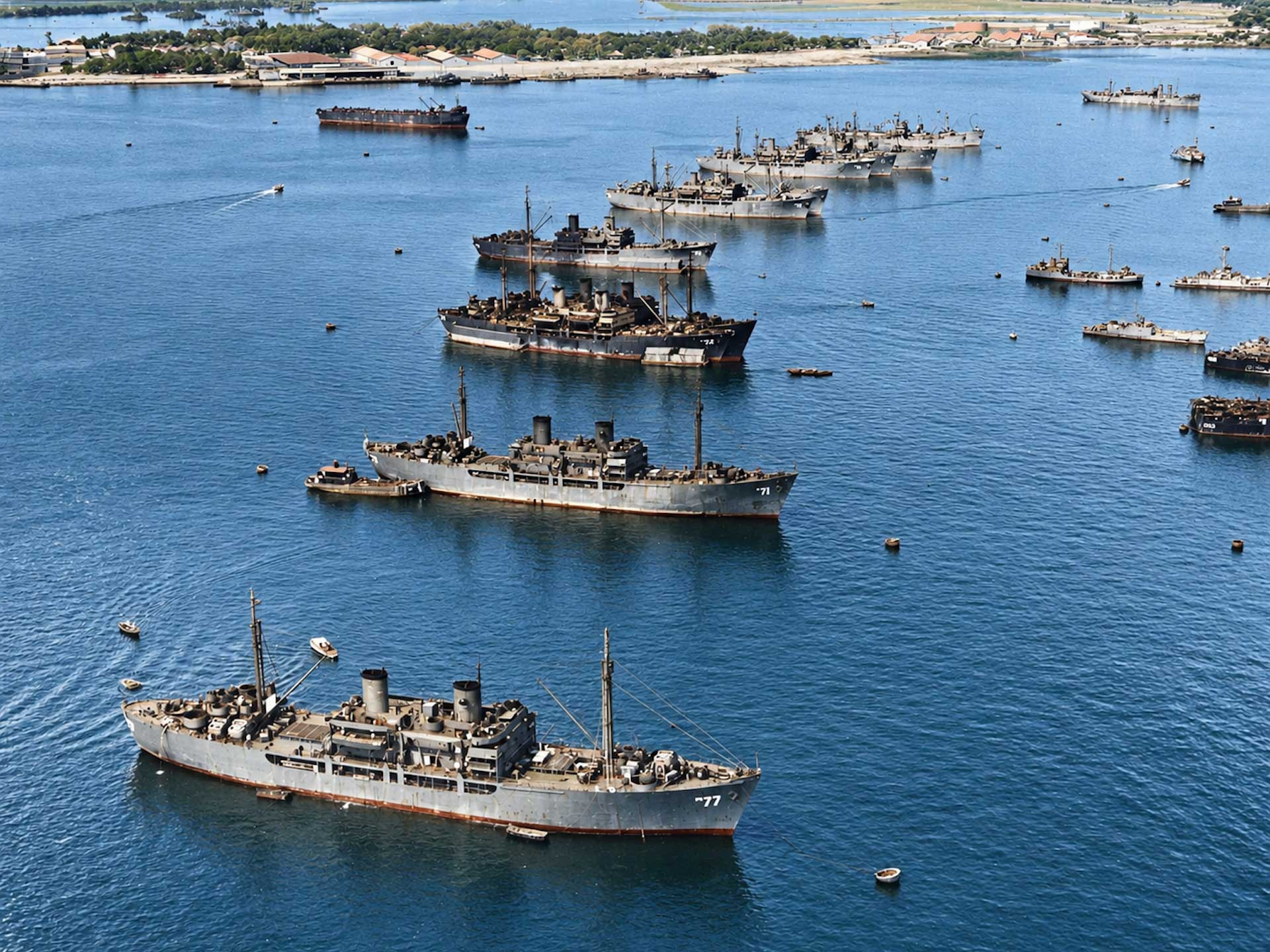
Operation Crossroads was conceived as both a military experiment and a public demonstration. The United States assembled nearly one hundred surplus warships at Bikini Atoll to determine how naval forces might survive atomic attack. Hundreds of journalists, members of Congress, foreign observers, scientists, and military officers attended what became one of the most widely publicized scientific experiments of the postwar period.
The weapon selected for the first test was essentially another Fat Man. Technically, it was a Mark III plutonium implosion bomb producing approximately twenty-three kilotons of explosive yield. Culturally, however, it had acquired an entirely new identity.
Members of the 509th Composite Group painted Rita Hayworth’s image onto the bomb and christened it Gilda, after her enormously successful film released only months earlier. Hayworth had become one of Hollywood’s defining stars and one of the era’s celebrated “bombshells.” The irony was unmistakable. A word previously used as a metaphor for beauty and glamour now became attached to one of the most destructive technologies ever created.
Hayworth herself reportedly disliked the association. She later observed that while actresses might aspire to become “bombshells,” she had never imagined that ambition would be interpreted so literally. Her discomfort reflected a deeper cultural contradiction. As Americans attempted to absorb the revolutionary implications of nuclear weapons, popular culture increasingly presented atomic technology through humor, novelty, and celebrity rather than existential danger.
The Able test itself produced another enduring irony. Although Gilda detonated successfully on July 1, 1946, the bomb missed its intended target—the battleship USS Nevada, by roughly 2,000 feet. The resulting damage, while extensive, was less catastrophic than planners had anticipated. Military analysts debated whether naval fleets might survive atomic attack through dispersal and maneuver. The uncertainty helped justify the subsequent underwater Baker test, which demonstrated that radioactive contamination could prove even more devastating than blast damage.
Gilda’s greatest historical significance may not have been technical at all, but this “bombshell” marked the beginning of a new relationship between nuclear weapons and American culture. No longer confined to secret laboratories and wartime battlefields, atomic weapons had entered the worlds of journalism, entertainment, advertising, and celebrity. They had become cultural objects as well as military instruments, and their names would increasingly reflect that transformation.